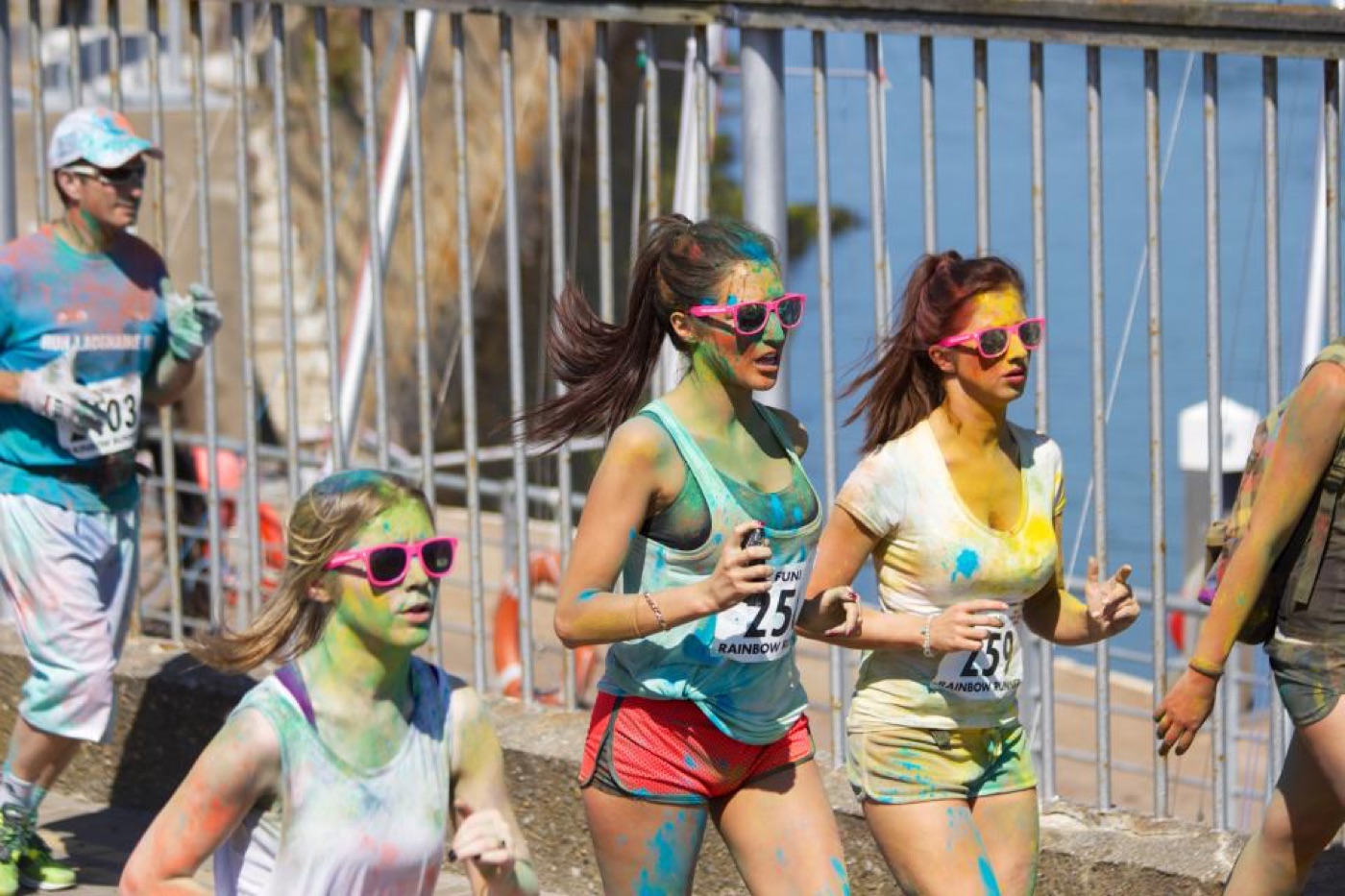
Running loads the calves, hamstrings, hip flexors, glutes, and IT band thousands of times per mile, building tension and adhesions. Massage releases that buildup, speeds recovery, and catches tight spots before they become injuries like IT band syndrome or Achilles issues. Schedule deep work five to seven days before a race and light flushing work after. Recreational runners benefit monthly; marathon trainees every one to two weeks during peak blocks.
Tampa Bay is a runner's town. The flat terrain, the waterfront routes, and the year-round warmth mean people here log serious miles in every season. But all that running comes with a cost that most runners ignore until something hurts: the same muscles, absorbing the same impact, thousands of times per mile.
Massage is one of the most effective and underused tools for staying ahead of that cost. Here's how to use it well.
What Running Does to Your Muscles
Running is a repetitive, high-volume activity. Every stride loads your calves, hamstrings, hip flexors, glutes, and the IT band along the outside of your thigh. Over the miles, those muscles accumulate tension and develop adhesions — small areas where tissue gets sticky and restricted. Left alone, they quietly reduce your range of motion, alter your mechanics, and set the stage for the injuries runners know all too well.
The tightness you feel the day after a long run isn't random. It's your tissue telling you where the load is concentrating.
How Massage Keeps You Running
Good soft-tissue work does several things at once for a runner:
- Releases accumulated tension in the high-load muscle groups before it limits your stride.
- Restores range of motion so your hips and ankles move freely and your mechanics stay clean.
- Improves circulation to the worked tissue, which speeds recovery between runs.
- Catches problems early — a tight spot a skilled therapist finds today is the injury you don't get next month.
Timing Massage Around Your Training
When you get a massage matters as much as whether you get one:
- Deep work: schedule it five to seven days before a race. Intense work creates its own short-term soreness, and you want that fully resolved before you toe the line.
- Pre-race: in the final day or two, only light, flushing work is appropriate — nothing that leaves you sore.
- Post-race: wait about 24 to 48 hours for the acute inflammation to settle, then a recovery session helps clear fatigue and restore range of motion.
Addressing the Classic Running Injuries
Many of the complaints I see in runners have a major soft-tissue component: IT band syndrome, tight calves feeding Achilles or shin pain, and restricted hips and glutes that throw off the whole chain. Targeted massage and ART® can release the restrictions driving these patterns and get you back on track.
That said, if pain is sharp, persistent, or clearly mechanical, the smartest move is to pair soft-tissue work with a look at your gait and training load. Massage fixes the tissue; it can't fix a shoe that's worn out or a training plan that ramped up too fast.
How Often Runners Should Book
For recreational runners, a session every three to four weeks keeps the maintenance ahead of the buildup. If you're training for a half or full marathon, every one to two weeks during your peak blocks is where the payoff is biggest — that's when cumulative load is highest and recovery work does the most for you.
Dawn Wellness is fully mobile across St. Pete, Clearwater, Tampa, and the beaches, so we bring the recovery to you after your long run. Book a free 15-minute consult and we'll build a plan that fits your training calendar and keeps you on the road.
Frequently Asked Questions
How does massage help runners?
Running loads the same muscles thousands of times per mile, which builds up tension and adhesions in the calves, hamstrings, hip flexors, glutes, and IT band. Massage releases that accumulated tension, restores range of motion, improves circulation to speed recovery, and catches tight spots before they become injuries. For runners, it's both a recovery tool and a maintenance strategy.
When should I get a massage relative to a race?
For deep or intense work, schedule it well before a race — ideally five to seven days out — so your muscles have time to recover from the work itself. In the final couple of days before a race, only light, flushing work is appropriate. After a race, wait about 24 to 48 hours for the acute inflammation to settle, then a recovery-focused session helps clear fatigue and restore range of motion.
Can massage help with running injuries like IT band or shin pain?
Often, yes. Many common running complaints — IT band syndrome, tight calves feeding Achilles or shin issues, and hip and glute restrictions — have a significant soft-tissue component. Targeted massage and ART® can release the restrictions driving these patterns. For persistent or sharp pain, it's worth combining soft-tissue work with a gait or training assessment.
How often should a runner get a massage?
It depends on your mileage. Recreational runners often do well with a session every three to four weeks for maintenance. Those training for a half or full marathon benefit from every one to two weeks during peak training blocks, when the cumulative load is highest and the payoff from recovery work is greatest.