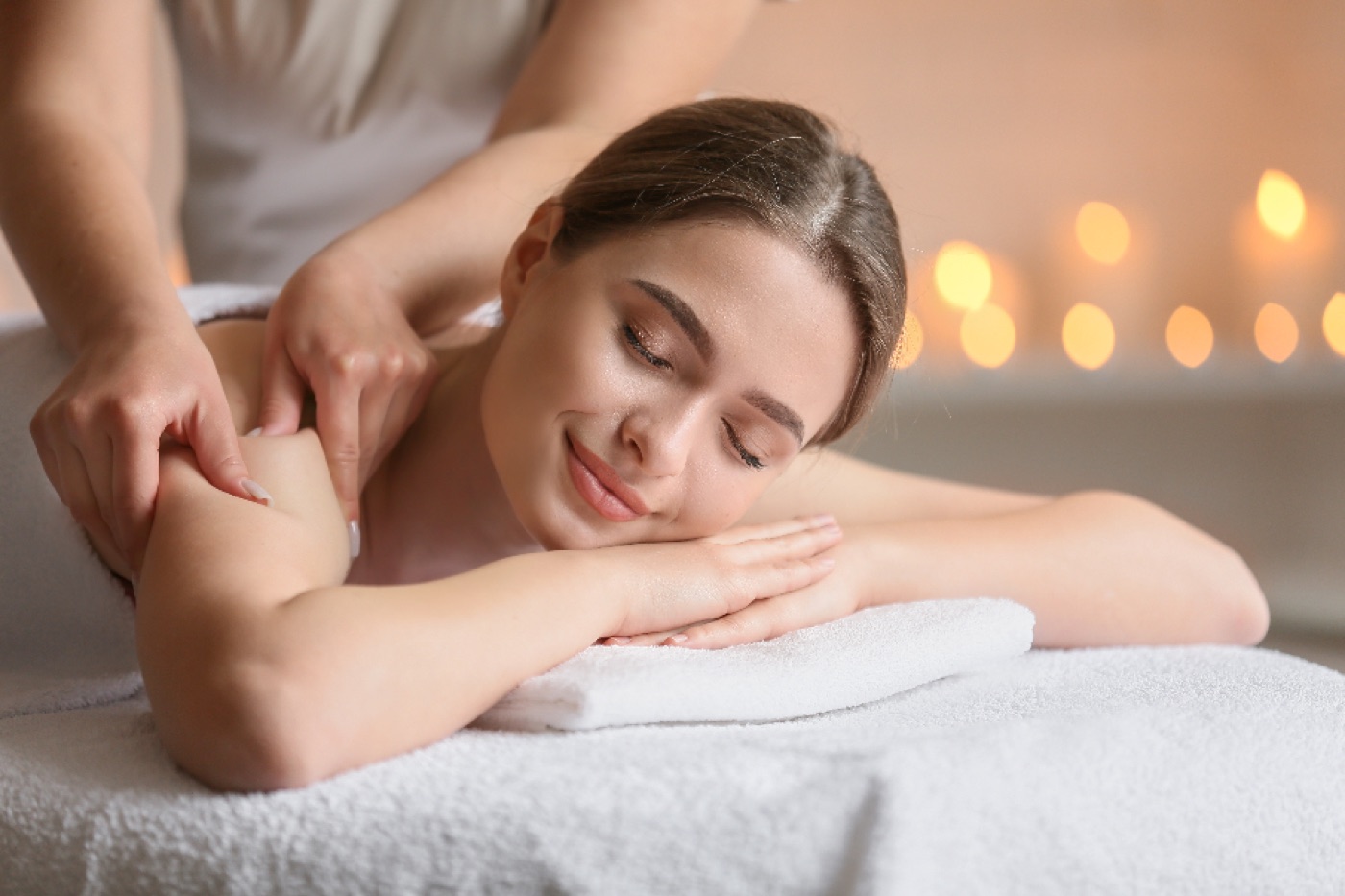
Chronic stress keeps your nervous system stuck in fight-or-flight, which wrecks sleep. Massage shifts you into the parasympathetic rest state, lowers cortisol, and supports the serotonin-to-melatonin pathway your body uses to sleep. Slow, rhythmic Swedish and relaxation work is the most effective style, and a session every two to four weeks helps keep your baseline calm rather than wired.
A lot of people come to me thinking massage is a luxury — a nice thing you do occasionally to feel pampered. And it does feel wonderful. But what's actually happening underneath the relaxation is physiological, and it's the same reason I leaned on bodywork and breath during my own high-stress years as a college athlete. Massage is one of the most reliable ways to change the state your nervous system is living in.
Why Stress Wrecks Your Sleep
Your nervous system has two main modes. The sympathetic state is fight-or-flight: alert, tense, ready for action. The parasympathetic state is rest-and-digest: calm, restorative, where healing and good sleep happen. These are supposed to balance each other across the day.
The problem is that modern life keeps most people stuck in the sympathetic state. Deadlines, screens, traffic, notifications, and a constant low hum of pressure keep cortisol elevated. When you finally lie down, your body is still in the wrong gear — wired, restless, mind racing. You can't sleep deeply because your physiology hasn't gotten the signal that it's safe to power down.
How Massage Shifts You Back
Slow, rhythmic massage is one of the most direct ways to send your body that safety signal. Here's what happens during a relaxation-focused session:
- Cortisol drops. Sustained, calming touch reliably lowers your primary stress hormone.
- The parasympathetic system activates. Your heart rate slows, your breathing deepens, and your body moves into its restorative mode.
- Serotonin rises. Your body uses serotonin to produce melatonin, the hormone that governs your sleep-wake cycle.
This is why so many clients tell me they had the best sleep in weeks the night after a session — and often for a few nights after. You're not just relaxed in the moment. You've nudged your whole system back toward balance.
Why Gentle Beats Intense Here
When the goal is stress and sleep, more pressure is not better. Intense deep tissue work has real value for structural issues, but for downregulating a stressed nervous system, slow and rhythmic wins. Long, flowing Swedish strokes signal safety to the body far more effectively than work that makes you brace.
If you tend to clench through a "no pain, no gain" massage, you may be keeping your nervous system in exactly the state you're trying to leave. For sleep and stress, let yourself sink in.
Making It a Practice, Not a One-Off
A single session feels great, but the real benefit comes from consistency. If you're under ongoing stress, your nervous system will drift back toward its wired baseline without regular input. I generally suggest a session every two to four weeks to hold the calm. During an especially demanding stretch of life, weekly sessions for a few weeks can reset your baseline before you taper to maintenance.
Pairing massage with simple daily breathwork — even five minutes of slow exhales before bed — compounds the effect. The massage teaches your body what calm feels like; the breathing lets you return to it on your own.
Getting Started
Dawn Wellness is fully mobile, so we bring the session to your home across St. Pete, Clearwater, Tampa, and the surrounding area — which means you don't have to break the calm by driving home afterward. If stress and sleep are what's weighing on you, start with a free 15-minute consult and we'll build a simple plan to get your nervous system back into the right gear.
Frequently Asked Questions
How does massage improve sleep?
Massage shifts your nervous system out of the fight-or-flight sympathetic state and into the parasympathetic rest-and-digest state. It lowers cortisol, the primary stress hormone, and supports the release of serotonin, which your body uses to make melatonin — the hormone that regulates sleep. The result is that you fall asleep more easily and sleep more deeply, often for several nights after a session.
What type of massage is best for stress and sleep?
Swedish and relaxation massage are the most effective for stress and sleep because their slow, rhythmic, flowing strokes are specifically calming to the nervous system. Deep tissue has its place, but for downregulating stress, gentler and more rhythmic work signals safety to the body more reliably than intense pressure.
How often should I get a massage for stress relief?
For ongoing stress and sleep support, a session every two to four weeks keeps your nervous system from drifting back into a chronic stress state. During especially high-stress stretches, weekly sessions for a few weeks can help reset your baseline before tapering to regular maintenance.
Can massage help with anxiety, not just physical tension?
Yes. The same parasympathetic shift that relaxes muscles also calms the mind. Many clients describe a quieting of racing thoughts and a sense of groundedness after a session. Massage isn't a replacement for mental health care, but as a regular practice it's a powerful, drug-free tool for managing everyday anxiety and stress.