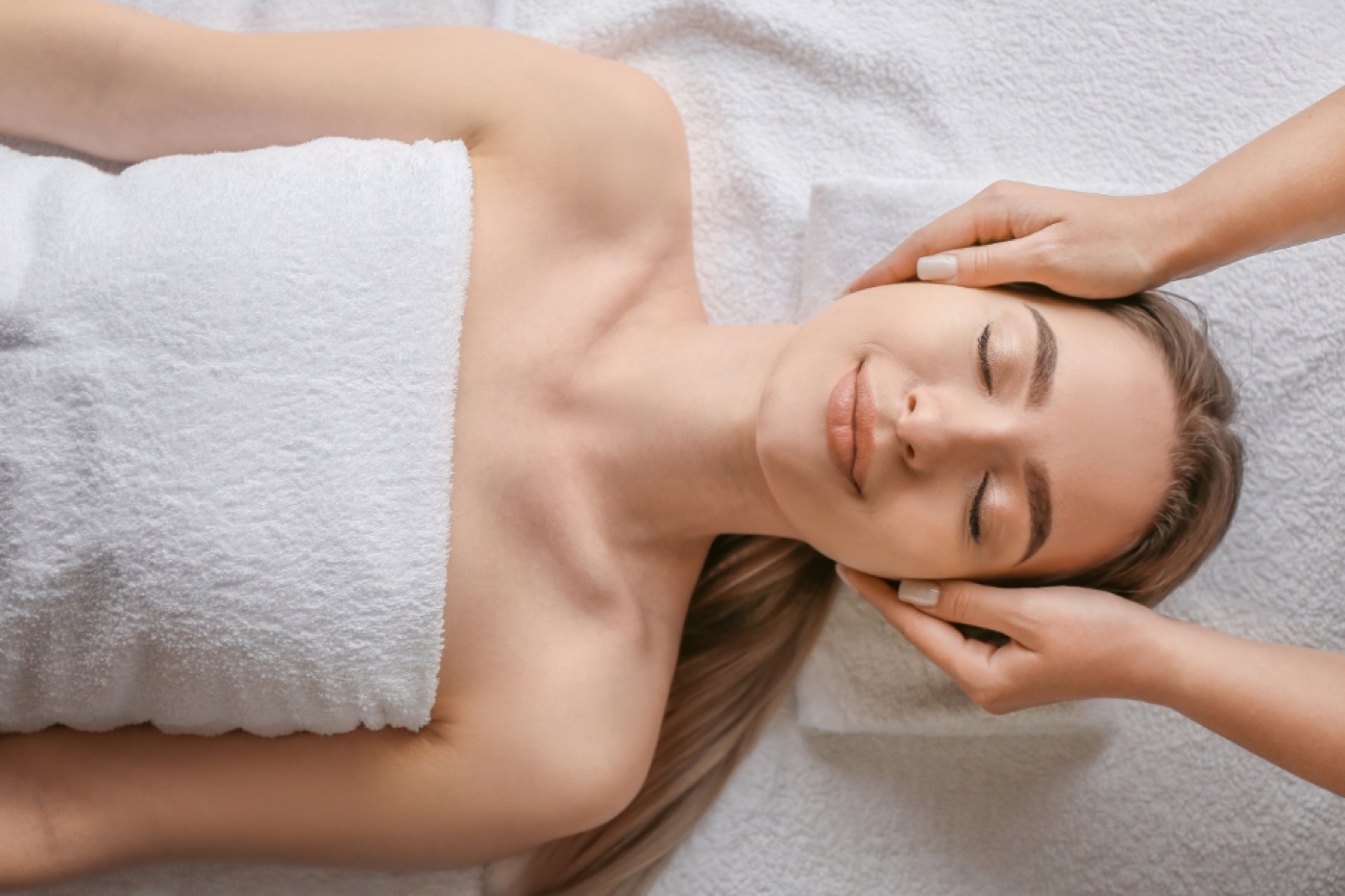
Most tension headaches are referred pain from tight muscles in the neck, upper traps, and base of the skull — often driven by desk and phone posture. Targeted trigger point and neuromuscular massage releases those muscles and frequently reduces both how often and how hard headaches hit. Lasting relief comes from a short series of sessions plus simple posture changes, not a single visit or another round of medication.
I treat a lot of people who've been quietly managing headaches for years. They reach for medication, push through, and assume it's just part of life. But when I ask where the headache starts, the answer is almost always the same: the back of the neck, the base of the skull, the tops of the shoulders. That's a big clue, because it tells us the headache often isn't really a head problem at all.
Where Tension Headaches Actually Come From
The most common type of headache — the tension headache — is usually referred pain. The muscles at the base of your skull (the suboccipitals) and across the tops of your shoulders (the upper trapezius) develop tight, irritable bands called trigger points. When those points stay active, they refer pain up and around the head in a predictable pattern: a band of pressure around the forehead, an ache behind the eyes, tightness wrapping from the neck up over the skull.
This is why medication often only takes the edge off. It dulls the pain signal but does nothing about the muscle that's generating it. Address the muscle, and the headache frequently resolves at the source.
How Massage Relieves Headache Tension
The work I do for headache-prone clients is precise, not broad. I'm looking for the specific tight bands in the neck, upper traps, jaw, and the base of the skull that refer pain. Once I find them, I use sustained, targeted pressure to release them and restore normal length and blood flow to the tissue.
A typical session includes:
- Neuromuscular and trigger point work on the suboccipitals at the base of the skull
- Release of the upper trapezius and the muscles along the sides and back of the neck
- Attention to the jaw and temples when clenching is part of the pattern
- Broader work on the upper back and shoulders to relieve the postural load feeding it all
Why Your Desk and Phone Are Part of the Problem
Here's the pattern I see constantly in Tampa Bay's professionals and remote workers: hours of screen time pull the head forward of the shoulders. For every inch your head drifts forward, the muscles in the back of your neck work dramatically harder to hold it up. Do that eight hours a day, five days a week, and those muscles never get a break. That sustained load is a primary engine of tension headaches.
Massage relieves the tension that's already built up. But if you go right back to the same posture, it rebuilds. That's why I always pair the hands-on work with simple, sustainable adjustments — screen height, movement breaks, and a couple of targeted stretches you can do at your desk.
What a Realistic Plan Looks Like
For an occasional headache, a single session can bring real relief. For chronic or recurring headaches, the goal is to break the cycle. I usually recommend a short series — a session every week or two for a few weeks — to fully resolve the underlying tension, followed by monthly maintenance to keep it from creeping back. Most clients notice meaningfully fewer headaches within three to five sessions.
If you've been living with headaches and managing them with medication, there may be a more direct path. Book a free 15-minute consult and tell me where your headaches start. If they're coming from your neck and shoulders — and they usually are — there's a good chance we can do something about it.
Frequently Asked Questions
Can massage really help with tension headaches?
Yes. Most tension headaches are referred pain from tight muscles in the neck, upper shoulders, and base of the skull — particularly the suboccipital muscles and the upper trapezius. When those muscles hold chronic tension, they create trigger points that refer pain into the head. Releasing them with targeted massage often reduces both the frequency and intensity of headaches.
What kind of massage is best for headaches?
Trigger point therapy and neuromuscular work focused on the neck, upper back, jaw, and the base of the skull is the most effective approach. The work is precise rather than broad — finding the specific tight bands that refer pain into the head and releasing them, then addressing the postural patterns that keep recreating the tension.
How quickly will I feel relief?
Many people feel noticeable relief during or right after a session as the muscles release. For chronic or recurring headaches, the lasting change comes from a short series of sessions that resolve the underlying tension and retrain posture, rather than a single visit. Most clients notice meaningfully fewer headaches within three to five sessions.
Are these headaches coming from my desk job?
Very often, yes. Forward head posture from screens and phones loads the neck and upper traps for hours a day, which is a primary driver of tension headaches. Massage relieves the accumulated tension, but pairing it with simple posture adjustments and movement breaks is what keeps the headaches from coming back.